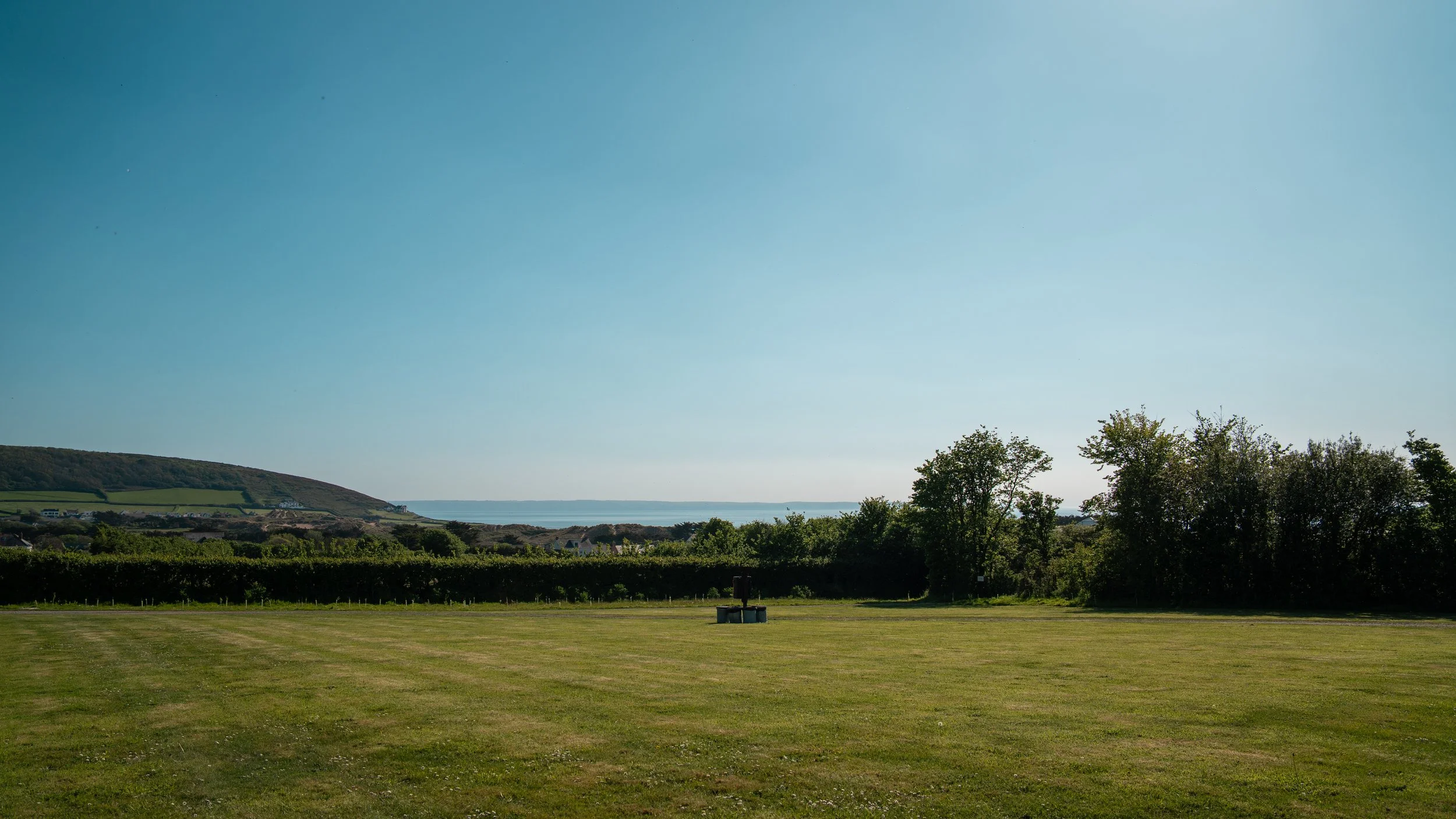
wilding at cherry treeNature first
Our mission is to leave the land better than we found it.
how we're letting the land leadCherry Tree Farm is a coastal landscape we’re actively evolving to better serve the North Devon ecosystem. Through reforestation, habitat recovery, and a zero-waste loop, we’re building a campsite that works with nature, not against it.
1. Nature needs a canopy
We’ve planted over 2,500 native British trees since 2024. Instead of open, empty fields, we’re creating copses of oak, beech, rowan, and wild cherry to improve drainage and provide wildlife habitat. We’ve also introduced established maritime pines to handle the salt air and provide immediate structural resilience.
During 2026, we’re building a new Devon bank (a traditional earth-filled wall) to extend our wildlife corridors. Once the camping season wraps up, we’ll begin seeding new lowland meadows.
2. Nature needs boundaries
Hedges are the veins of the Devon landscape. We’ve put over 3,700 native hedge whips into our traditional banks. These are fed using fertiliser made in our on-site composter and seeded with a 19-species coastal mix, including yellow rattle, clover, and haresfoot.
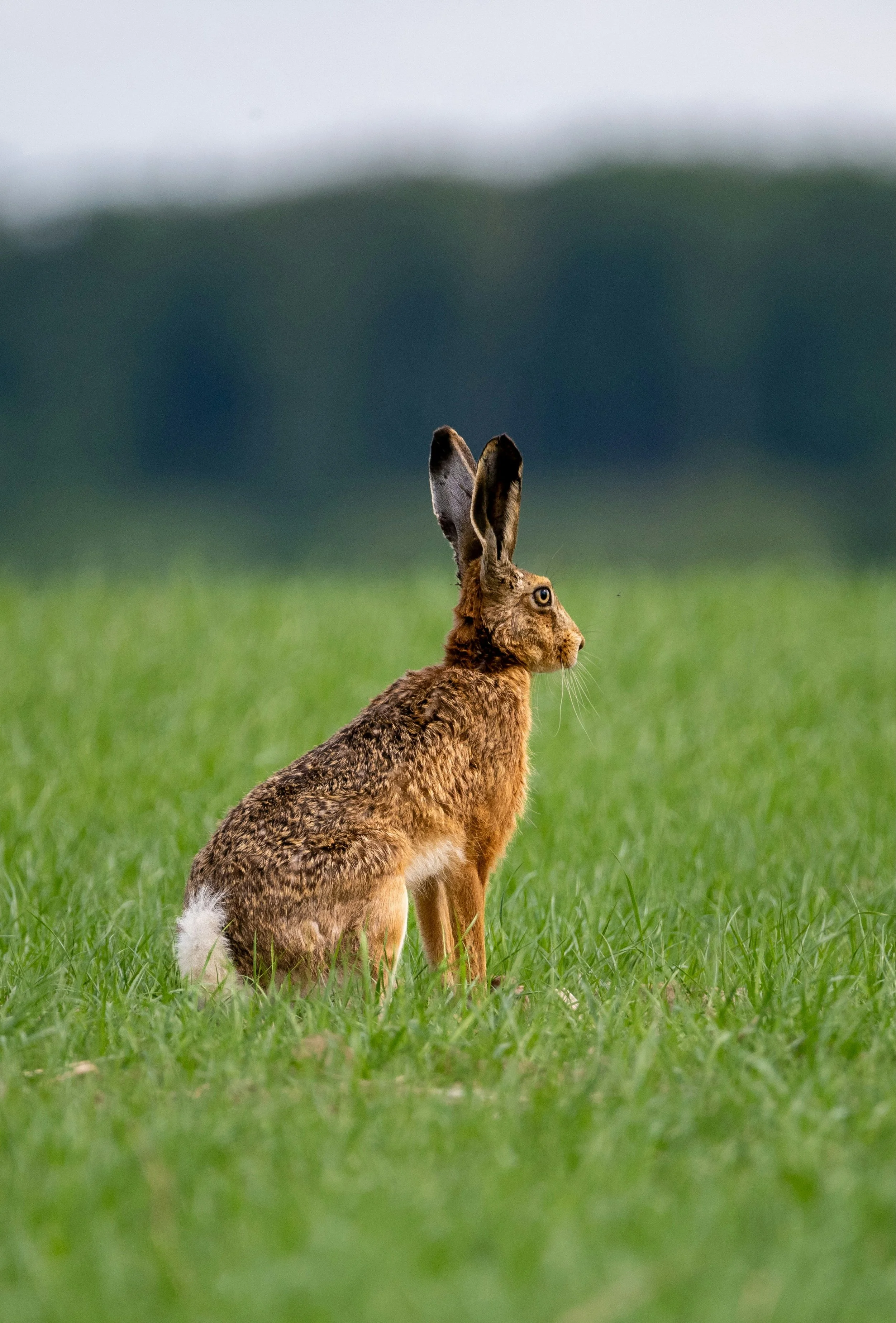
We’ve retired the annual buzz-cut. By leaving the hedges alone, we provide the thick cover required by the rare greater horseshoe bat and the resident hares.
3. Nature needs a home
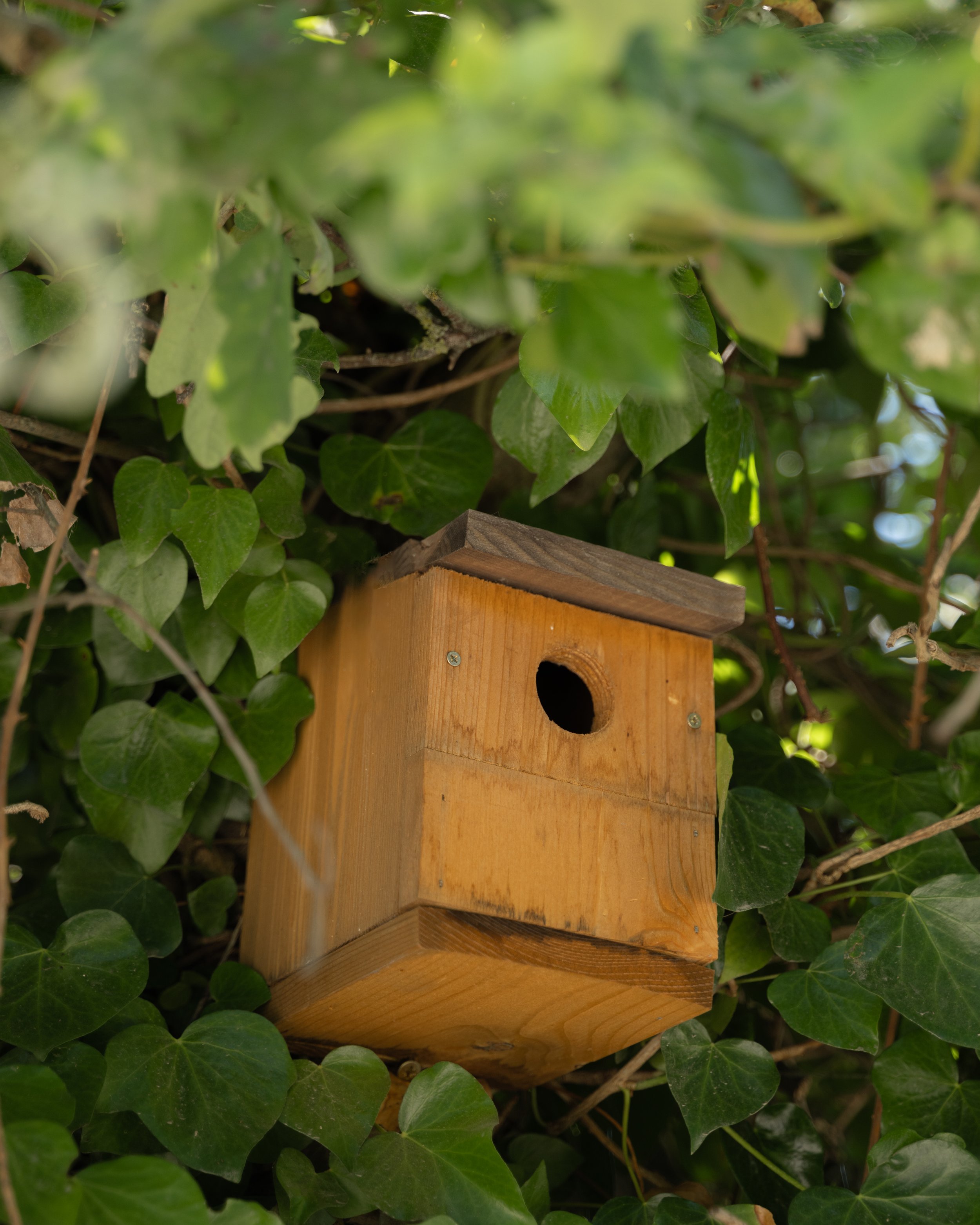
We share this space with specialists. Rewilding means providing high-spec housing for the species that were here first.
In the air. We use digital callers to attract swifts and have installed house sparrow boxes to support these red-listed birds. Our barns host established swallow and martin nests, which saw multiple rounds of young last summer.
On the ground. Along with our year-round hare family and local hedgehogs, our ecologist has confirmed the presence of the rare brown-banded carder bee on-site.
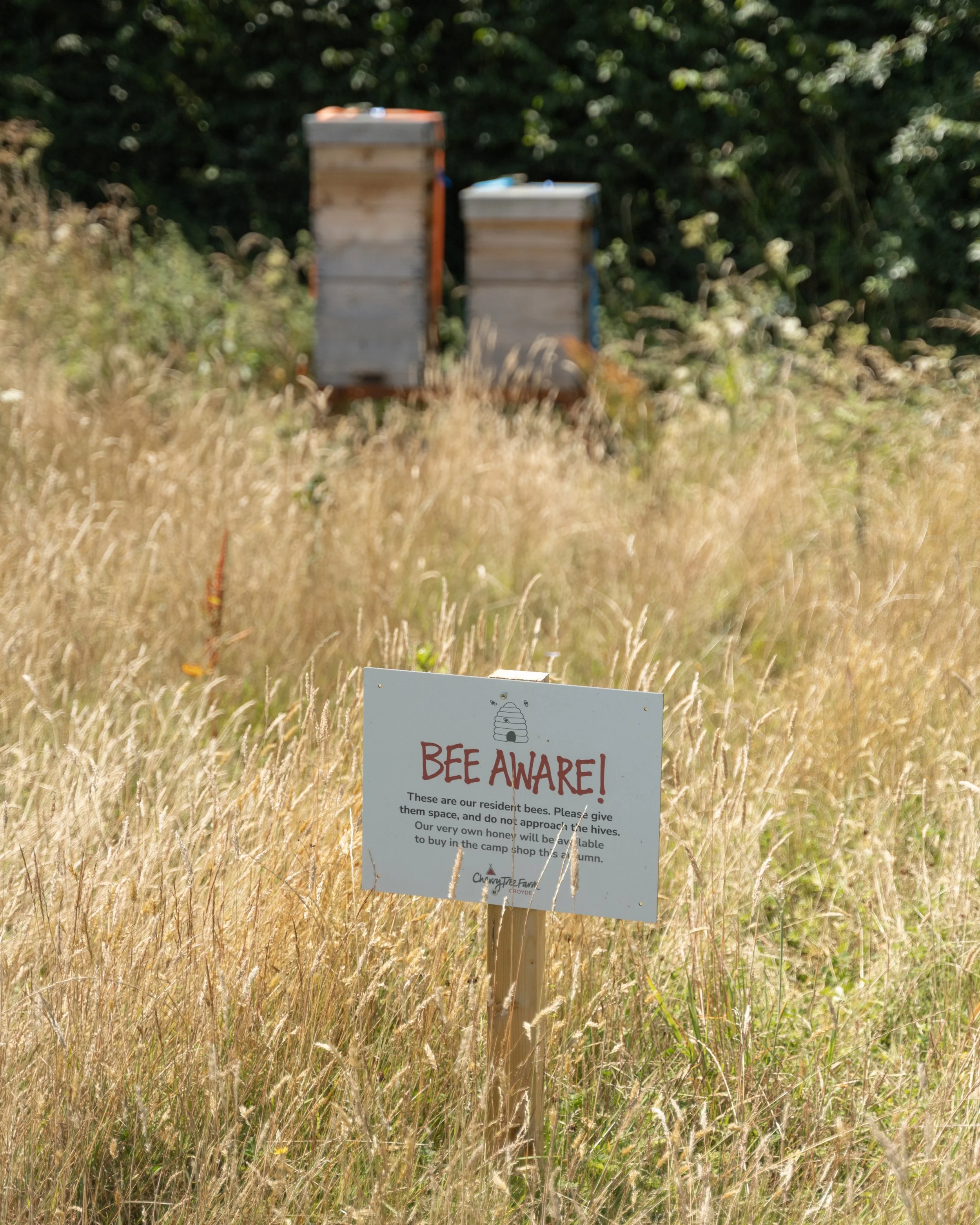
The pollinators. Our honeybee hives are the centre of our wildflower margins (strips of wild grass and flowers left uncut to provide a safe highway and food source for insects). This keeps our local landscape healthy and flowering.
4. Nature needs to lead
Sometimes the best management is to do nothing at all. We’ve taken our largest field, around two and a half acres, entirely out of the camping rotation. No mowers and no pitches. By working closely with an ecologist, we’re letting natural succession take the lead, creating a wild buffer between the campsite and the wider Croyde landscape.
5. Nature feeds itself
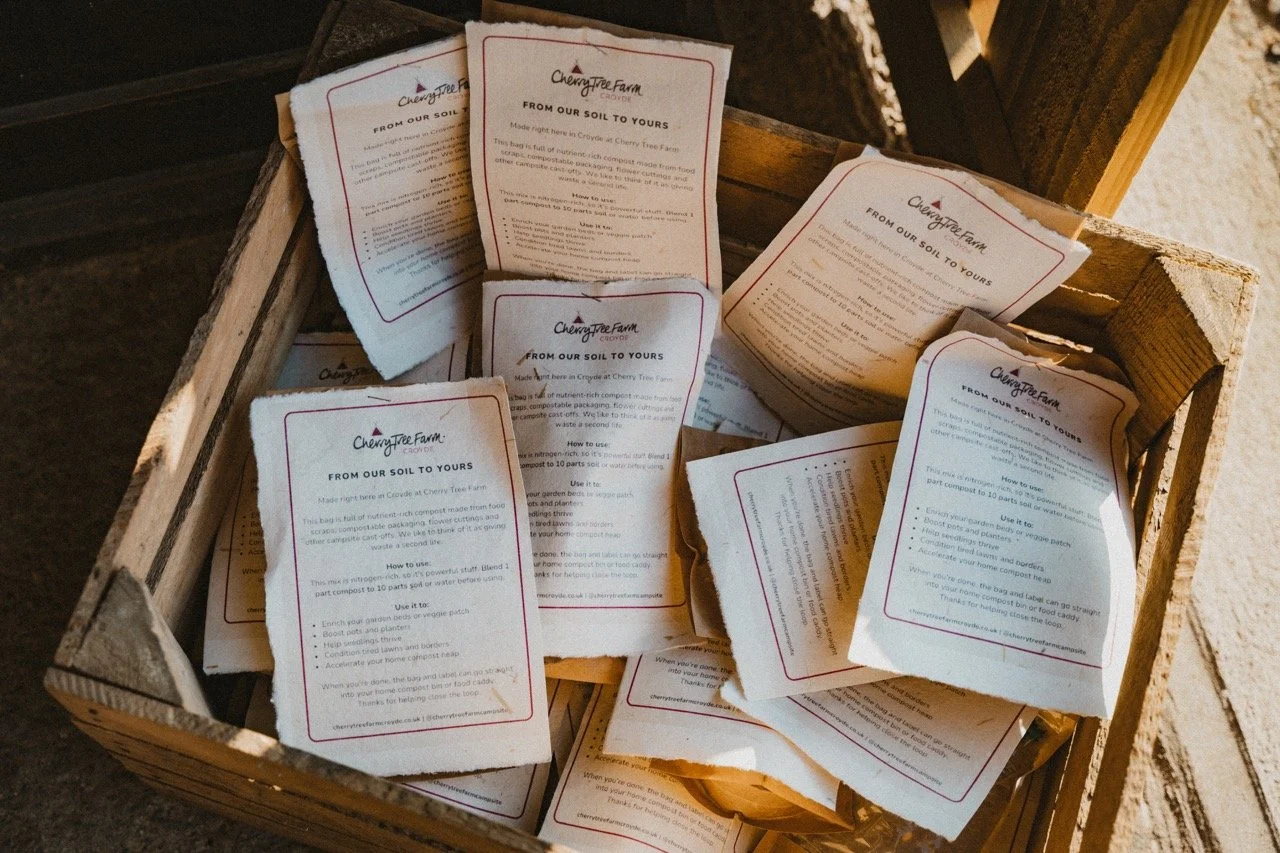
We process our waste on-site to feed the soil. Our commercial composter has already processed over 7.5 tonnes of food and compostable waste, preventing it from going to landfill. This system reduces waste volume by 90%, giving us over 1,125kg of compost a year with zero waste miles. Everything is processed on-site and then put back into our soil, ensuring our footprint stays small while the land stays fertile.